(Image source from: Canva.com)
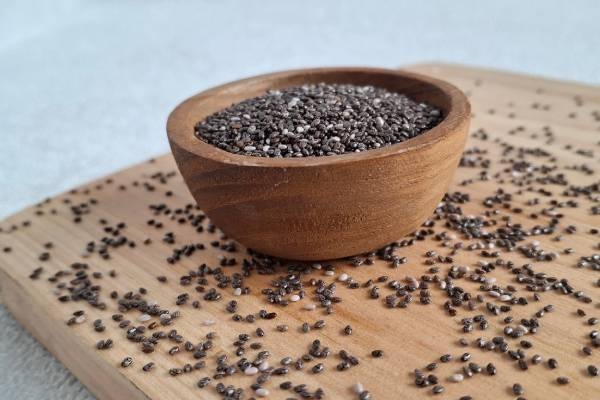
Chia seeds are very healthy, making them a great part of a nutritious diet. They are full of important nutrients like omega-3 fatty acids, fiber, protein, vitamins, and minerals. Their high fiber content can help with digestion and support a healthy gut. They are also loaded with antioxidants, which can fight against oxidative stress and lessen inflammation within the body. Furthermore, chia seeds can soak up several times their weight in water, helping you stay hydrated. This ability may also help you feel full, which could be helpful for managing weight. Even though chia seeds have many advantages for health, there are some people who should not consume them due to specific health issues. In a post on Instagram, Dr. Saurabh Sethi, known as the gut doctor and a gastroenterologist trained at AIIMS, Harvard, and Stanford, pointed out that chia seeds aren't suitable for everyone and identified five groups of people who should steer clear of them. Chia seeds are very healthy, but they might not be right for all. As a gastroenterologist, I often recommend them, but how you incorporate them is important.
These groups of people should avoid chia seeds:
Those who have trouble swallowing or a narrow esophagus: Chia seeds swell up when soaked. For people who have difficulty swallowing or conditions that make the esophagus narrow, eating chia seeds can be risky and might cause choking. "Chia seeds can soak up 10 to 12 times their weight in water. Eating them dry has rarely caused esophageal blockage. Always soak or hydrate them first," Dr. Sethi explained.
Individuals with IBS (Irritable Bowel Syndrome): The high fiber in chia seeds might worsen symptoms for some people with IBS. People with this condition need to keep track of their fiber consumption and how their body responds. "Chia seeds have around 10 grams of fiber per 2 tablespoons. Quick increases in fiber can lead to bloating, gas, or discomfort, especially for those with IBS," Dr. Sethi noted.
People taking blood thinners: "Chia has ALA omega-3, which may have a slight effect on platelets. It’s best to discuss large amounts with a doctor," Dr. Sethi recommended. ALA omega-3 can thin the blood.
Those with serious motility disorders: Individuals with motility disorders may have trouble digesting food. The gel-like substance created by chia seeds may complicate digestion when motor function is severely affected. "Conditions like gastroparesis or risk of obstruction might not tolerate gel-forming fibers well," said Dr. Sethi.
Seed allergy (rare): People who are allergic to seeds might also be allergic to chia seeds. For them, eating chia seeds could trigger allergic reactions of varying severity.
Key note from the expert: "For most people, chia seeds are safe and good for health — offering fiber, omega-3s, polyphenols, and prebiotic benefits. When used the right way, chia seeds are among the top foods for gut and metabolic health. The dose and context are important," Dr. Sethi mentioned.
To wrap up, while chia seeds can be a healthy addition to many diets, certain groups should be cautious or avoid them altogether. It’s always wise to check with a doctor if there are concerns.