(Image source from: Reuters.com)
On Friday, the Delhi government introduced a winter pollution action plan that includes a rule stating "no fuel without PUC," increased parking fees, work-from-home options, and stricter rules on construction activities during the smog season that occurs every year. These steps, detailed in a new winter air quality management plan, aim to assist officials, businesses, and residents in getting ready for the time between November and February, when the air quality in Delhi generally worsens. Chief Minister Rekha Gupta mentioned that the government has chosen to inform the public about possible restrictions several months before winter, rather than waiting until pollution levels rise. "We're sharing potential restrictions and plans in advance so that people won’t have any trouble later," the Chief Minister stated. According to the plan, fuel will only be given at Delhi’s gas stations to vehicles that have a valid Pollution Under Control Certificate (PUCC).
Additionally, the government has suggested limiting the entry of non-BS-VI commercial vehicles registered outside Delhi from November 1 to January 31. Electric vehicles, CNG vehicles, emergency service vehicles, and those used for government work will not be affected. From November 1 to February 28, parking fees at authorized parking areas will be doubled to help reduce the number of private vehicles on the road during the winter. The plan also includes staggered work hours and work-from-home options, allowing government and private offices to operate with up to 50 percent in-person attendance. Essential services and emergency services will not be included in this limit. The framework mainly aims to cut down on vehicle emissions, which significantly contribute to the winter pollution in Delhi. Besides connecting fuel supply to valid PUC certificates, officials may limit the entry of older commercial vehicles into the city during peak pollution times. Authorities think that giving early notice will provide vehicle owners, transport providers, and businesses enough time to adapt to the new measures before winter arrives.
Construction and demolition work taking place from November 1 to January 31 must follow specific rules to control dust. There may be stricter limits from December 10 to January 20, as pollution tends to be higher during this time. Important and urgent projects might not have to follow these rules.
The movement of trucks carrying building supplies could also be limited when pollution levels are elevated. Big construction sites and tall commercial buildings will need to use machines like anti-smog guns, mist systems, and other methods to reduce dust. The government has instructed resident welfare associations, schools, contractors, and other groups to stop burning trash, leaves, and similar items. They have also suggested different heating options for security staff and other workers who often depend on fires for warmth in the winter. Checks on the ground and drone surveillance will increase to find rule-breakers, with proposed fines and charges for those who violate the rules.
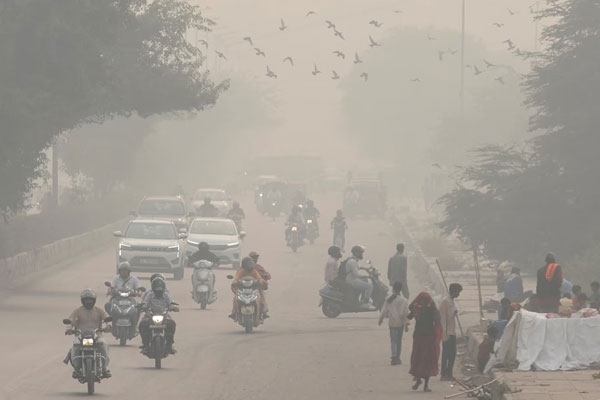
This system has been established under the Environment (Protection) Act of 1986 and will work in conjunction with the updated GRAP guidelines from the Commission for Air Quality Management. From November to February, the air quality in Delhi frequently falls into the "Very Poor" and "Severe" levels. The government indicated that this proactive system is designed to inform all departments, organizations, businesses, and residents about possible restrictions well in advance of winter, allowing them to prepare accordingly.